
This post may contain affiliate links. That means if you click and buy, I may receive a small commission (at zero cost to you). Please see my full disclosure policy for details.
One of the stereotypical questions many vegans encounter is, “where do you get your protein from?” There’s a big misconception that animal products are the only, or superior, sources of protein. This may discourage people from broadening their horizons in terms of the protein sources they choose to consume. Vegan protein sources are abundant, diverse, and usually quite delicious.
The amount of protein needed daily depends on a lot of factors, like your age, sex, current food intake, activity level, fitness goals, etc. Regardless, with a bit of intention, anyone can consume a variety of protein rich plant-based foods. Not only do these foods taste amazing, but they also can support your health needs and fitness goals. As a vegan of 9 years and competitive bodybuilder, I love learning and teaching others about vegan protein sources. I hope this post shows you how easily you can hit your protein goals while still enjoying foods you love!
Looking for even more sources of plant-based protein? Check out my blog post: Healthy Vegan High Protein & Macro-Friendly Snacks You’ll Love.
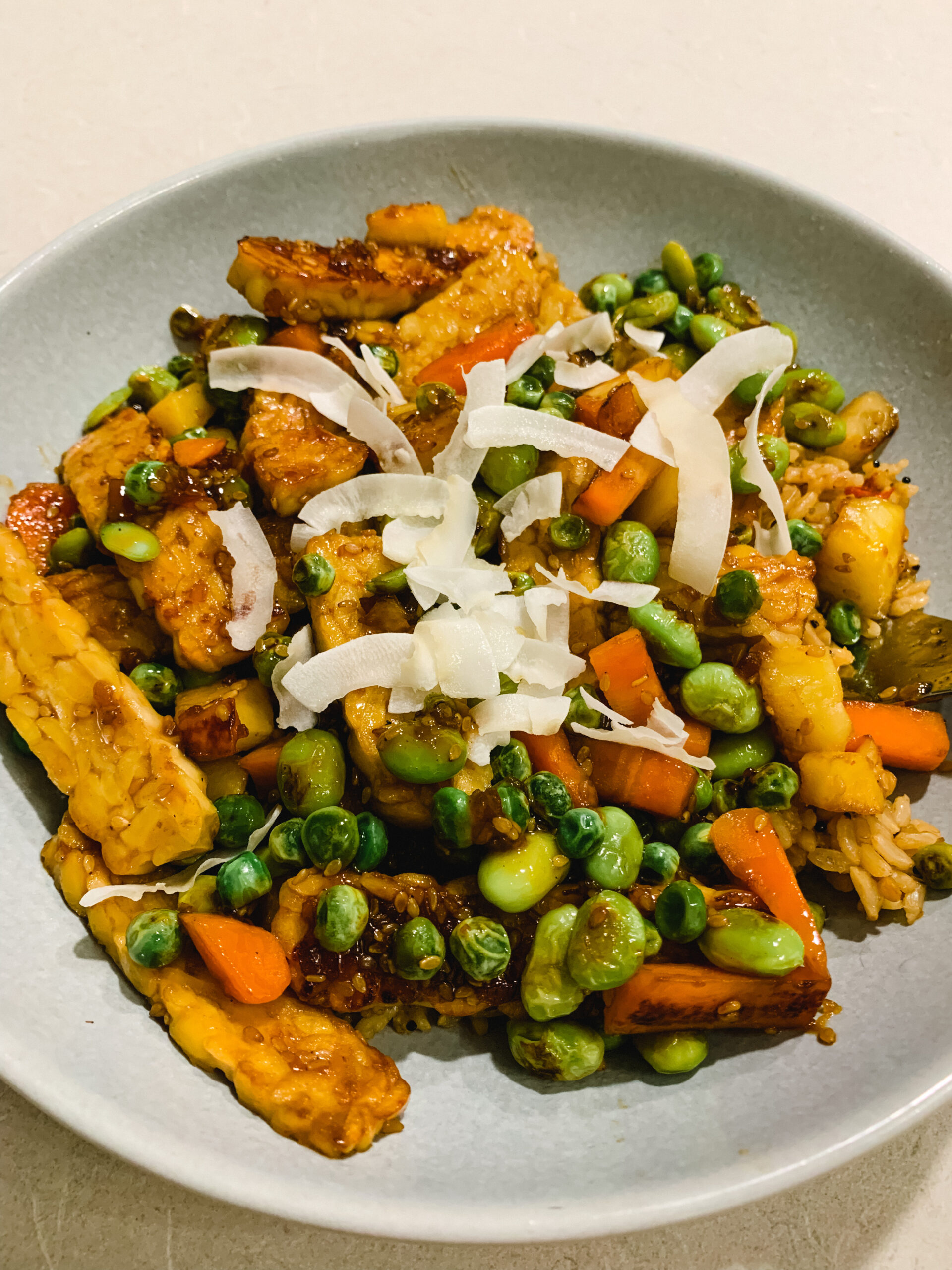
Vegan and aiming to increase your protein intake? Simply curious as to which plant-based foods can best help you hit your protein goals? Let’s dive into the main vegan protein sources, as well as good sources of trace vegan proteins. Plus, we’ll go over what you should know about amino acids and the bioavailability of plant-based protein. Here are 7 vegan protein sources you can start incorporating into your diet today. If you’re an athlete, foodie, average person, or somewhere in between, I’m confident that you’ll find something here that you would enjoy!
1. Seitan (vital wheat gluten-based protein)
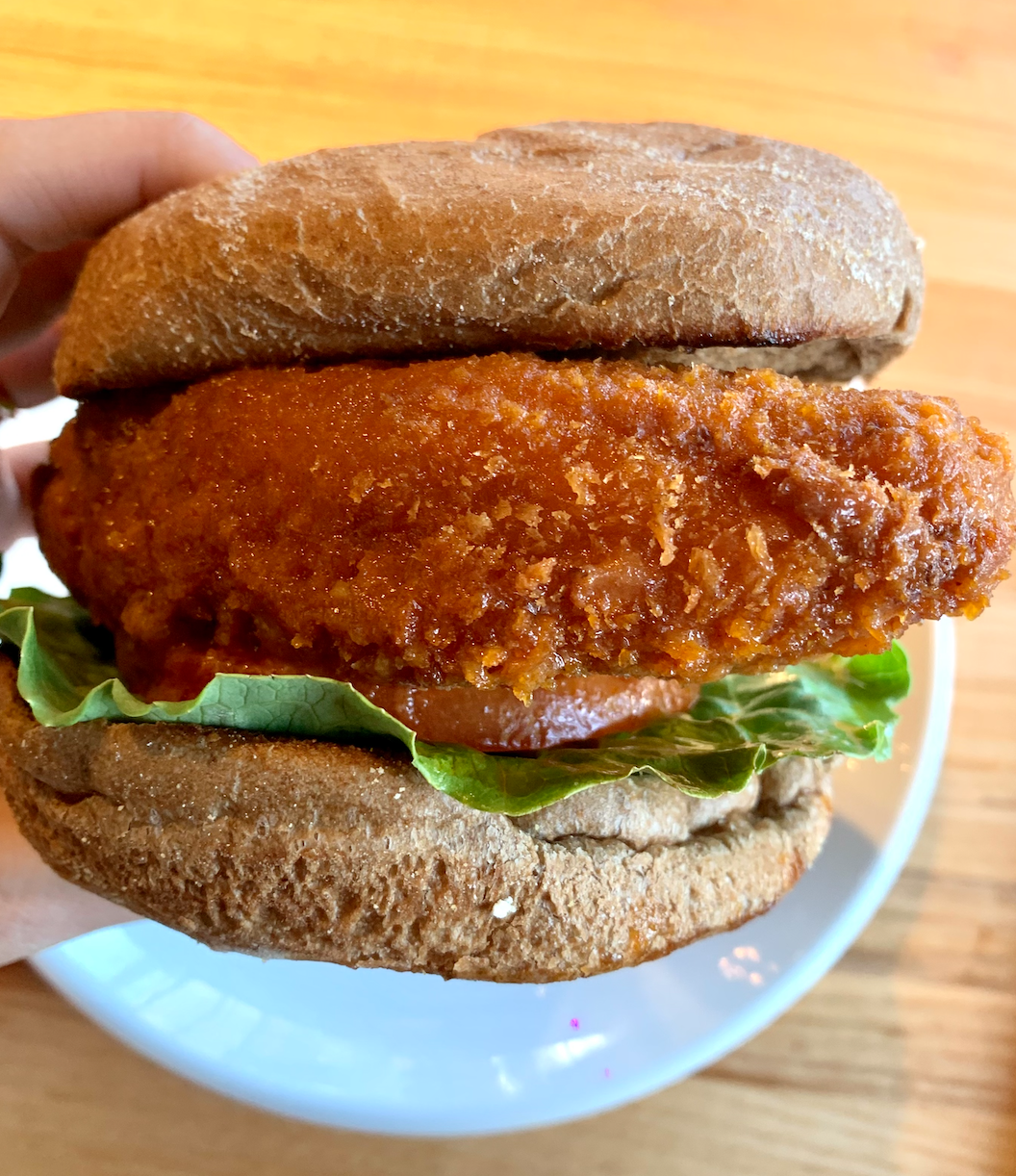
Seitan, pronounced say-TAN, is a popular plant-based protein source loved by vegans and non-vegans alike. It is extremely versatile, and can emulate a variety of meats like chicken, beef, pork, etc. This makes seitan an ideal plant-based protein source to re-create your favorite classic dishes with. You can homemake seitan from scratch, purchase seitan products from a variety of brands at grocery stores, and even enjoy seitan dishes at vegan restaurants.
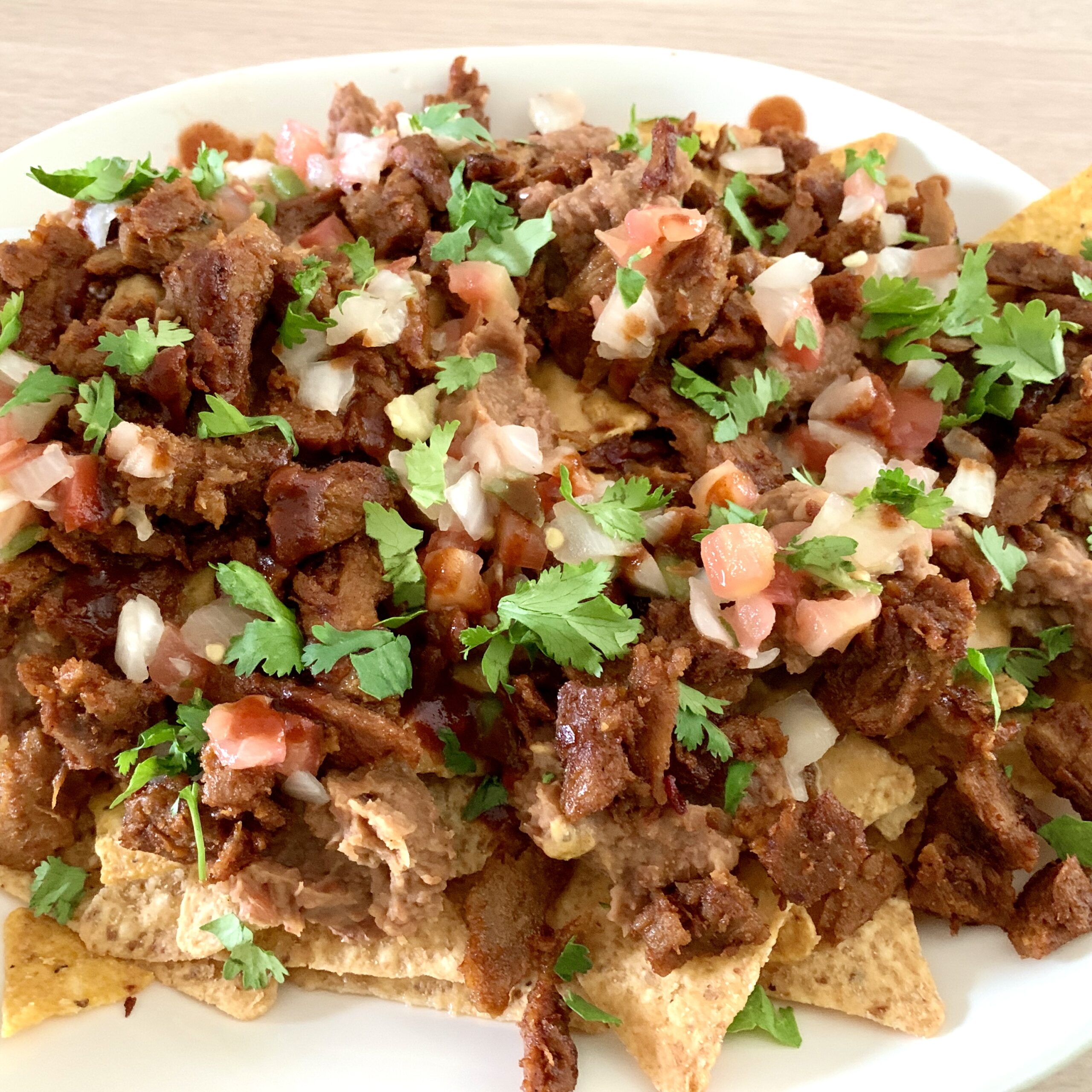
Seitan is made of pure gluten protein. It has a much higher protein content and lower fat content than most other vegan protein sources. In addition to its great taste and versatility, you can get a good amount of protein from seitan without racking up carbs and fat. With such a great macro breakdown, seitan makes hitting your protein targets easy. This makes it a great plant-based protein choice for those in a cutting phase or prep. Athletes may also appreciate the fact that seitan contains a comparable amount of protein to a chicken breast. With excellent nutritional content, diverse cooking potential, and amazing taste/ texture, what’s not to love? Seitan is a top source of vegan protein and muscle fuel- and my personal favorite!
2. Tofu (soy-based protein)
Tofu is one of those things that seem to have an unfortunate reputation thanks to misguided media propaganda. I mean, how many of us growing up scowled and proclaimed, “EWWWW” at the mere mention of the word? (Guilty, haha). Before going vegan, I actually never even tried tofu, except for maybe a couple of small pieces in miso soup. Now, tofu is one of my favorite foods!
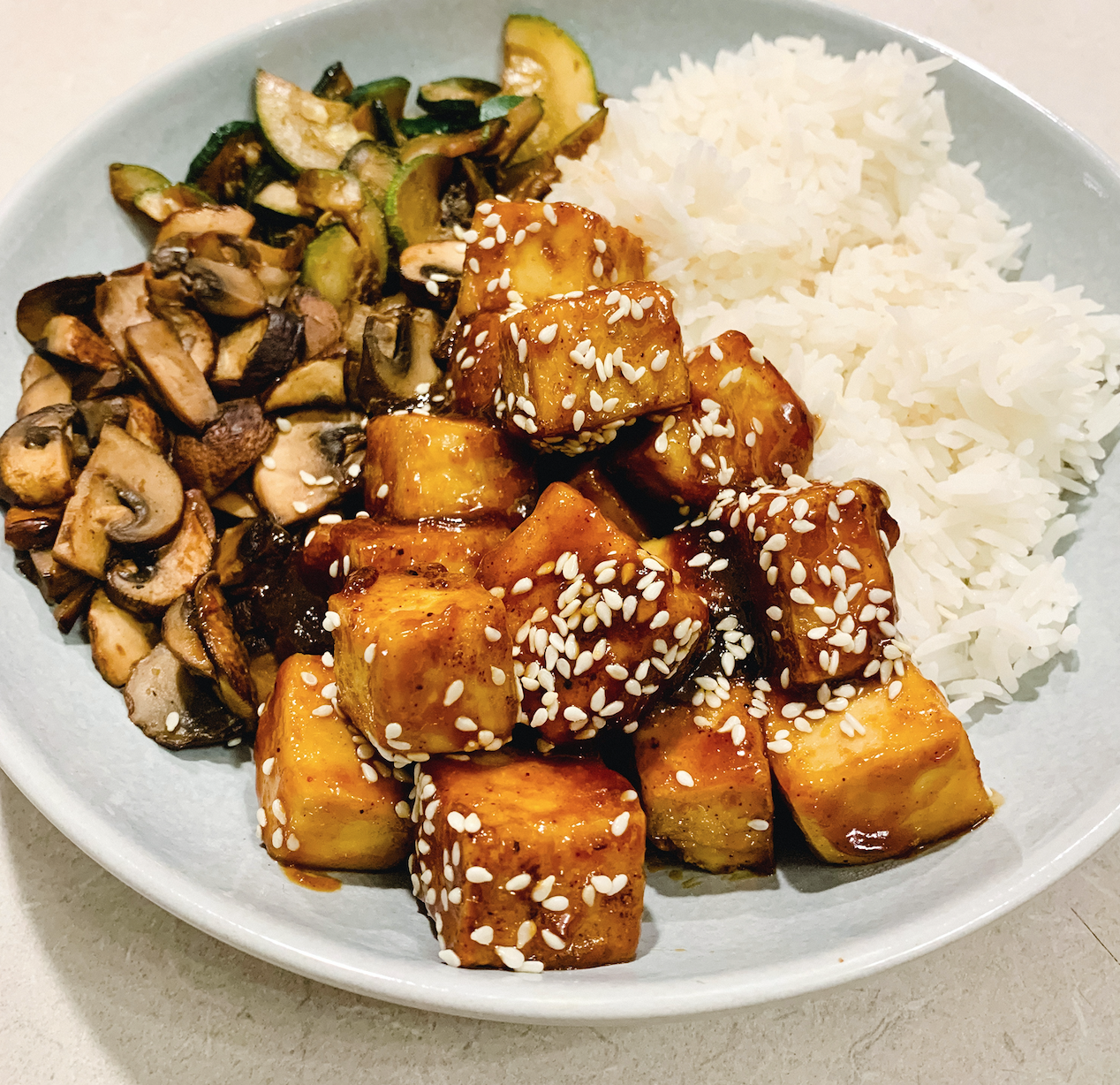
The cool thing about tofu is it takes on the flavor of whatever seasonings and sauces you cook it in. Of course, plain tofu straight out of the package isn’t most peoples’ favorite. It’s certainly not mine. However, I can imagine carnivores would say the same of eating meat without seasonings and sauces. But, I digress.
Tofu can also vary in texture depending on the type you buy, as well as how you cook it. If you like it crispier, look for extra or super firm tofu. You can prepare these by baking, air frying, or deep frying. Alternatively, if you’re looking to make something softer, like a homemade ricotta, you might opt for a silken tofu. Softer tofus mash and blend easily, making them a great, high-protein base for puddings, mousses, or cream sauces.
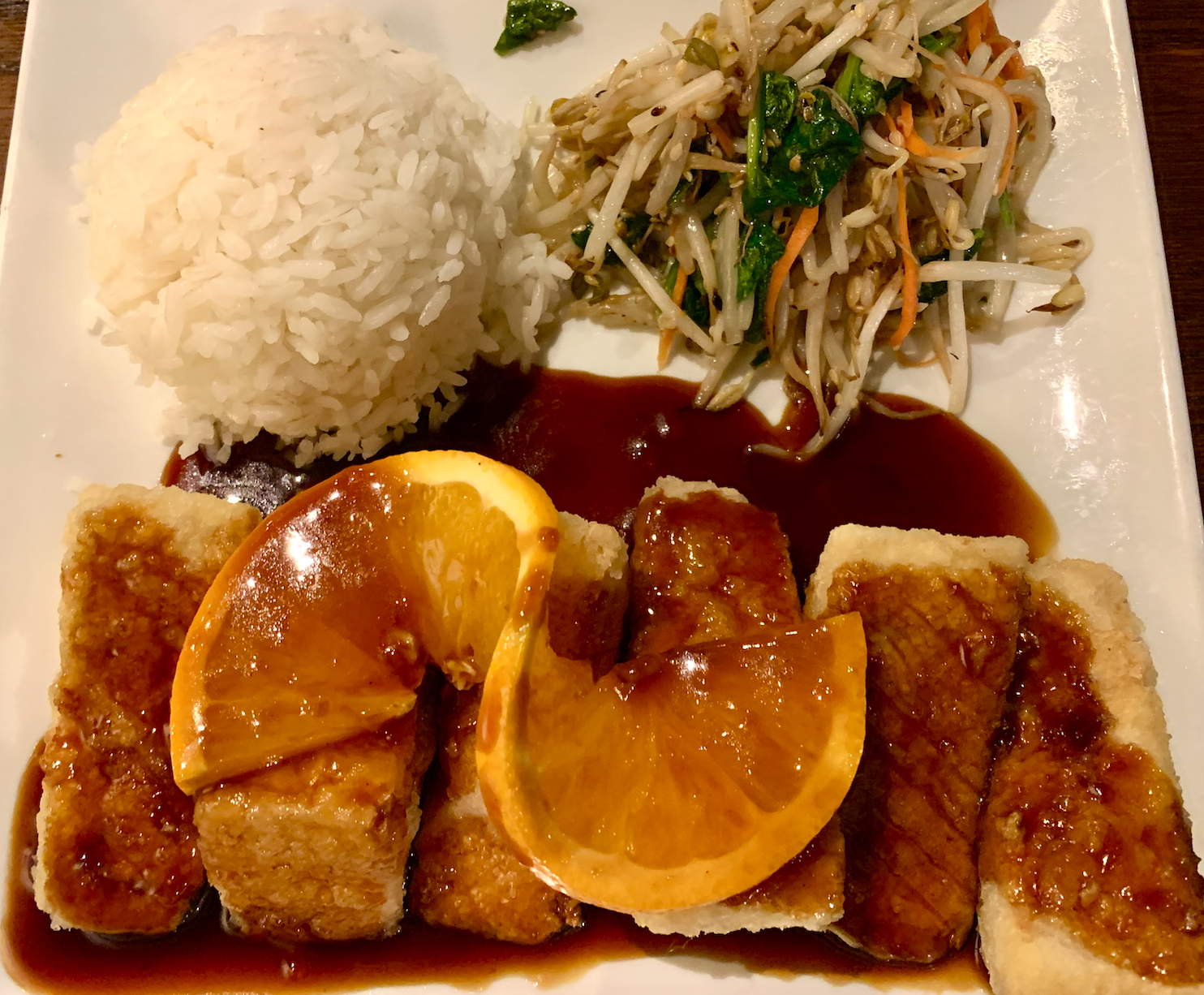
As a soy-based protein, tofu provides all nine essential amino acids that our bodies need. It’s also rich in other vitamins and minerals, like calcium and iron. Macronutrient wise, tofu is not only a great source of plant-based protein, but a healthy fat source as well. Cook some jasmine rice and sauté your favorite veggies, and you’ve got a quick, easy, balanced and delicious meal!
3. Tempeh (fermented soy-based protein)
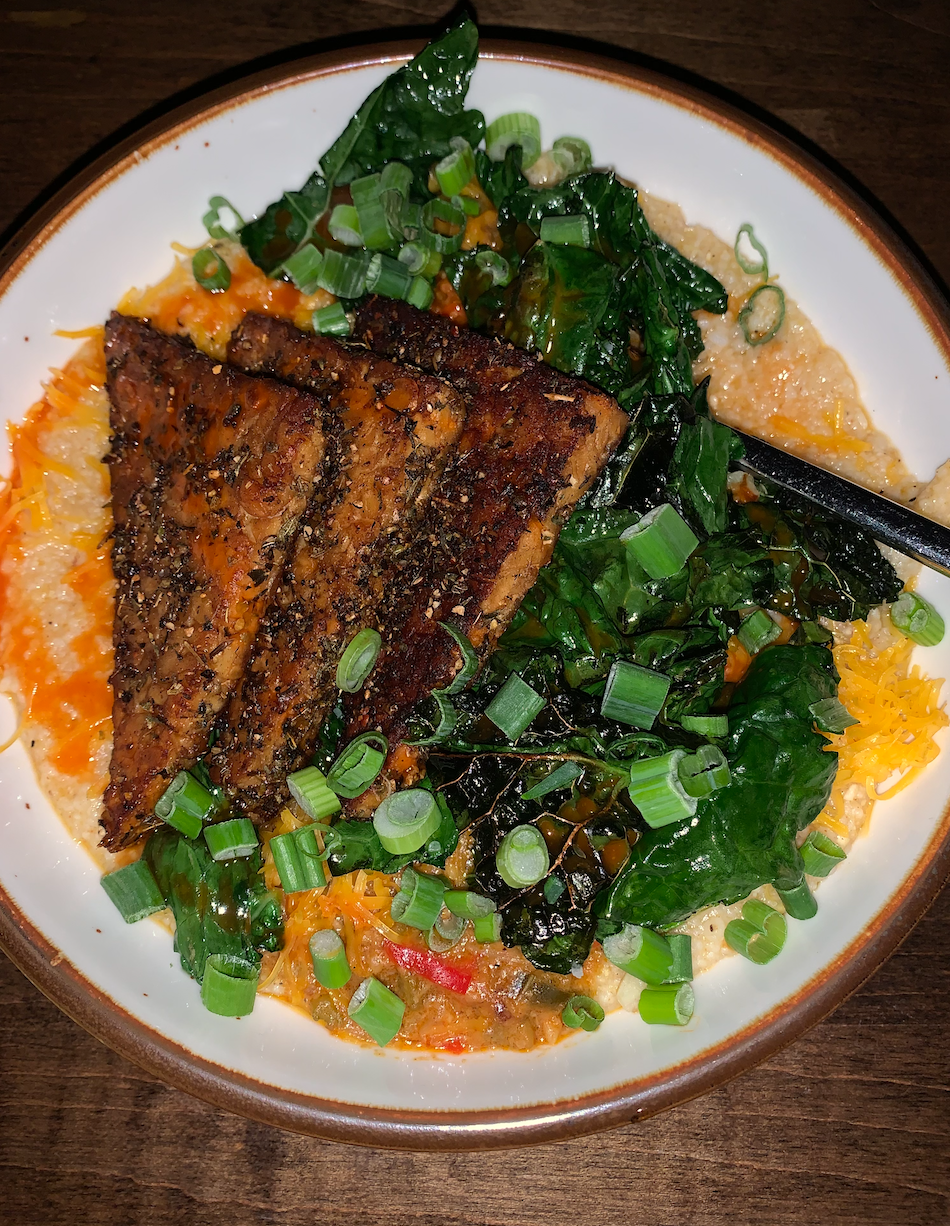
Tempeh is another versatile source of plant-based protein. Like tofu, it takes on the flavors you choose to cook with. The greatest difference between tempeh and tofu is texture. Tempeh is much more firm, while tofu, even the firm varieties, is much softer compared to tempeh. Because it’s fermented, some may also describe tempeh as bitter, or even nutty. But again, your enjoyment of the final product depends on how you prepare it.
In college, I needed to meal prep high-protein, balanced vegan meals to keep me satiated through long days. A go-to that I ate weekly for years was buffalo tempeh. Simply heat tempeh in a pan until golden brown and coat in your favorite sauce. Can’t get much simpler than that!
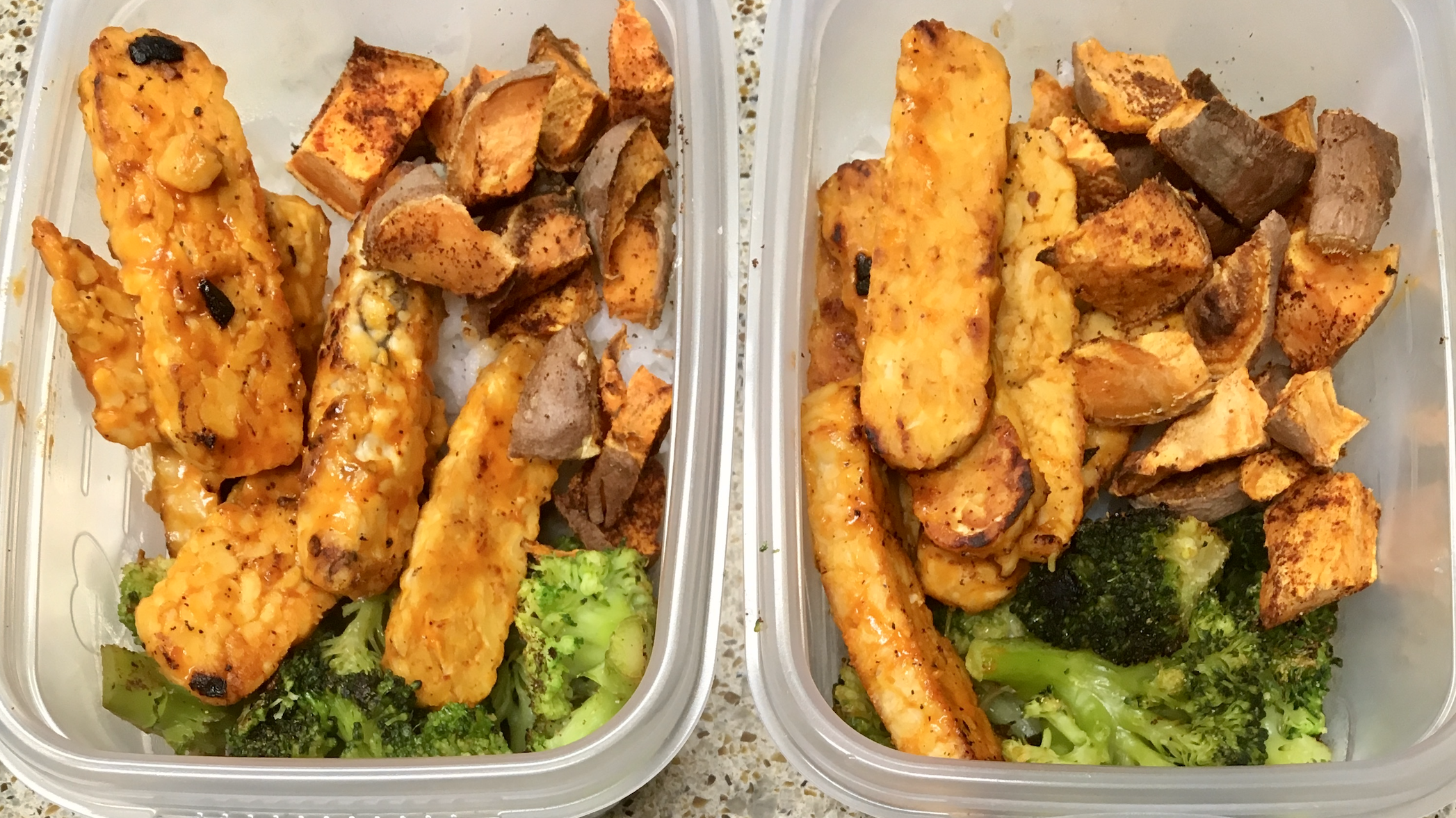
Being that tempeh is a soy-based protein, it also contains all nine essential amino acids. Like tofu, tempeh is a great source of healthy fats. However, macro-wise, you get more protein (and therefore, a bit more fat) per gram of tempeh than you do tofu. With that, tempeh is also much higher in fiber per gram than tofu. Depending on your performance, nutrition, or simply taste goals, you can experiment with whether you prefer tempeh or tofu. Or, you may find that you enjoy both!
4. Say Grace Protein Meat Alternatives
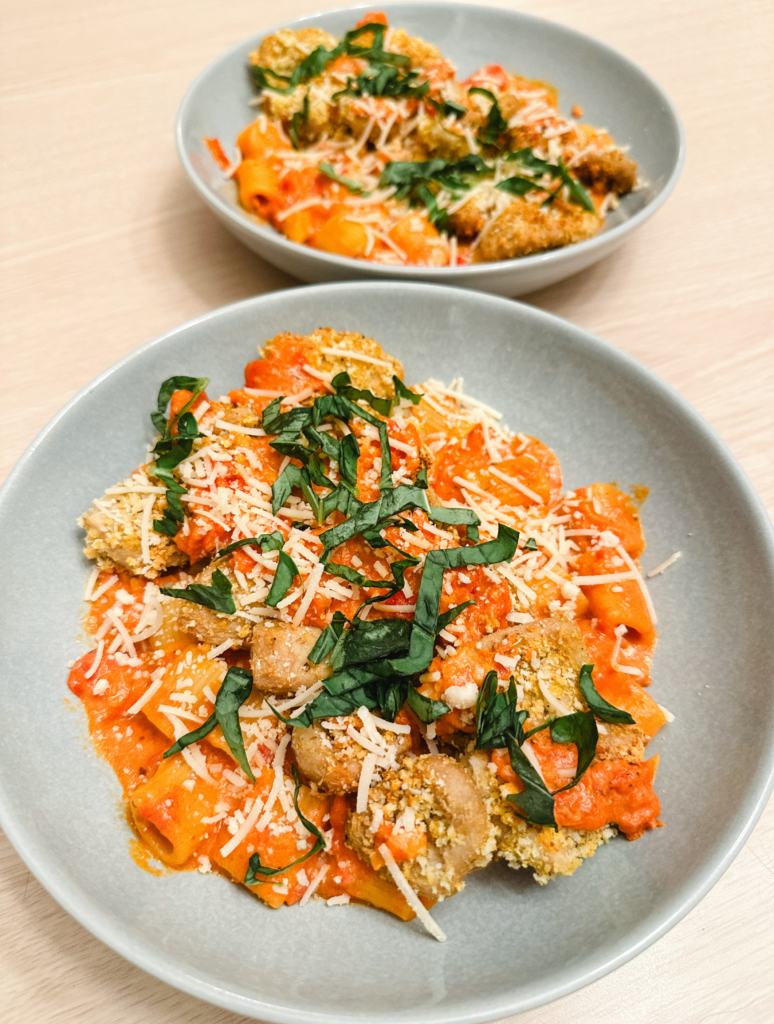
recipe HERE
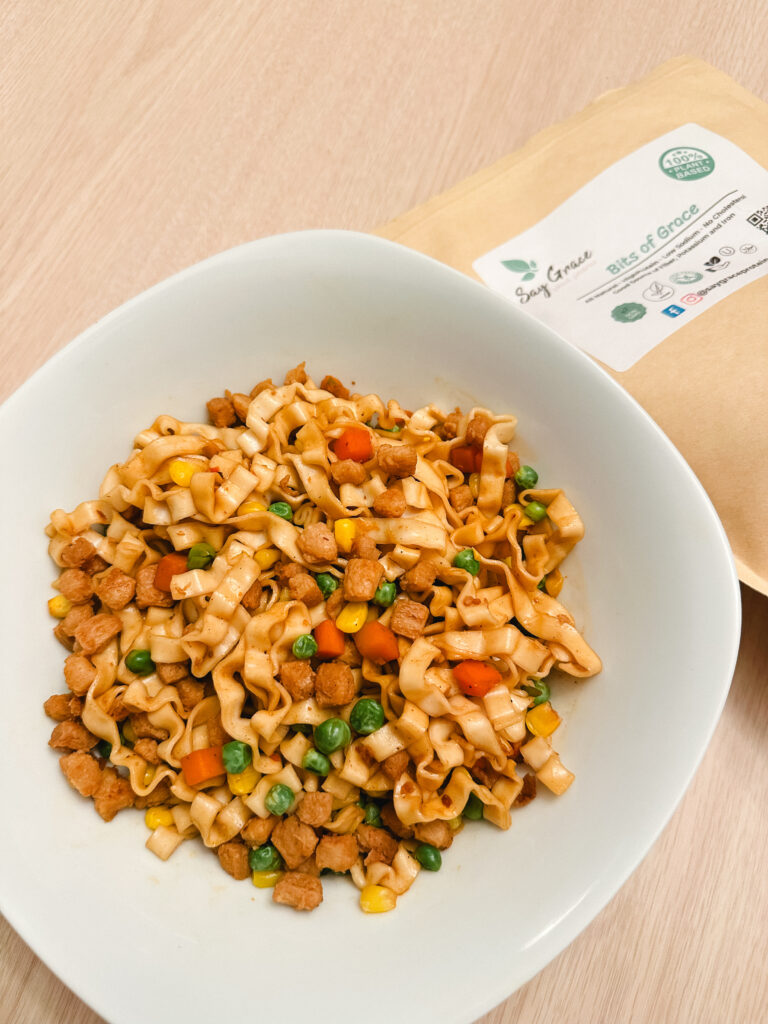
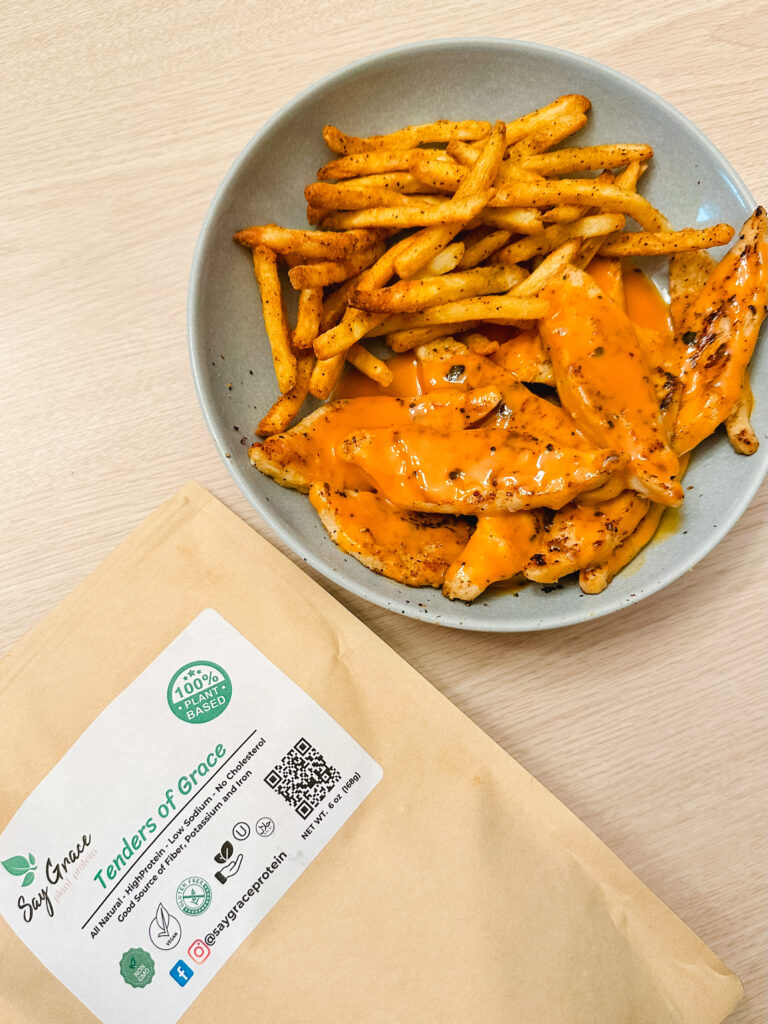
buffalo sauce
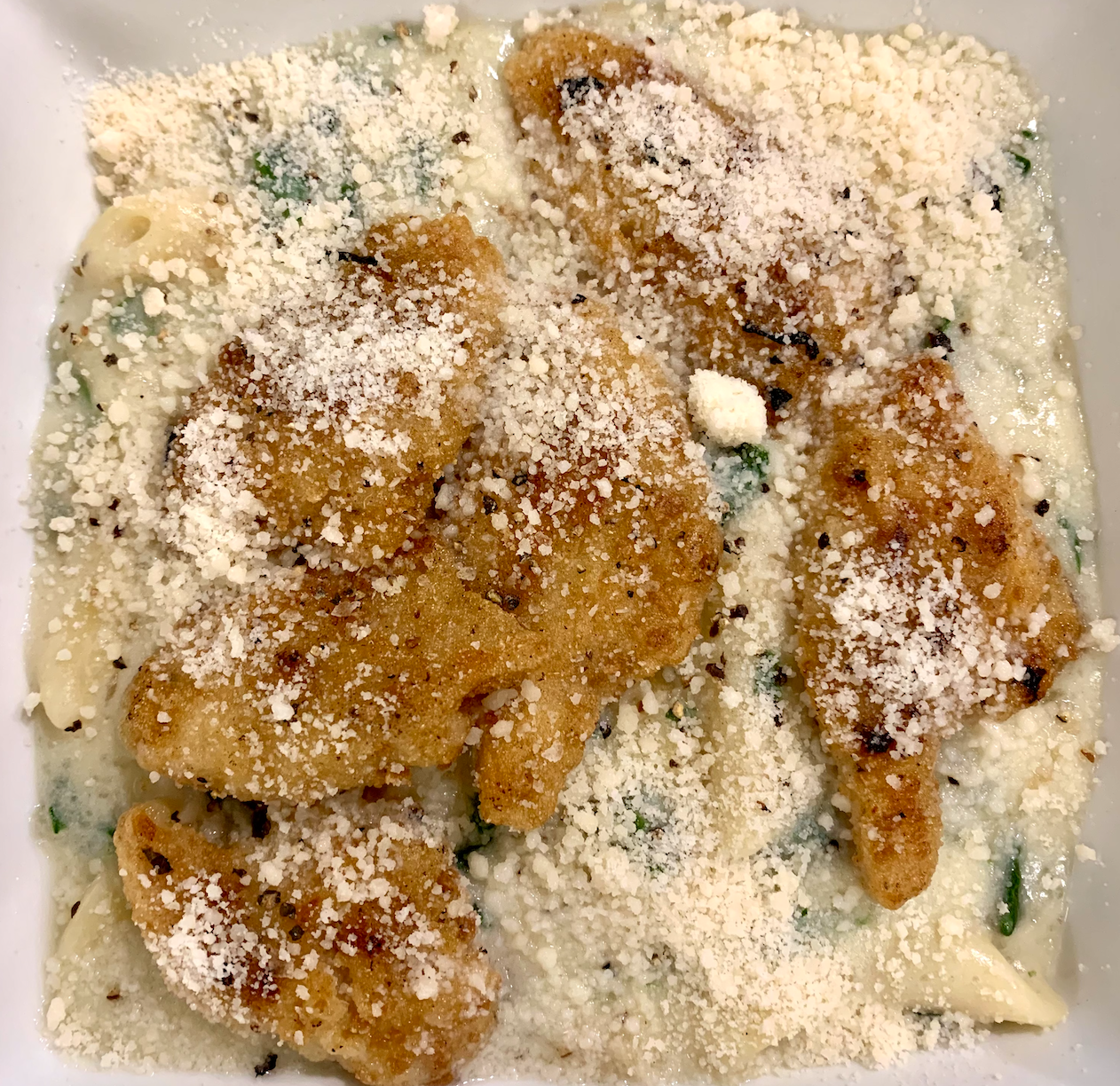
Say Grace makes revolutionary plant-based meat alternatives using one ingredient: non-gmo soy protein! These are a unique vegan protein source because they come dehydrated, and you cook them by rehydrating with water. This makes them an incredible option for packing to travel, too. While their products are all made with the same ingredient, the different sizes and shapes allow you to create different meals with different textures. I like using the nuggets to make my creamy chick’n rigatoni, the bits in noodles, pasta, or tacos, the shreds stir fried with vegetables and coconut aminos, and the tenders tossed in buffalo sauce. The macros are also amazing, as they’re high in protein and low in carbs and fat. Get 10% off your orders with Say Grace discount code: MYPLANTBASEDFRIEND
5. Textured Vegetable Protein (TVP) and Textured Pea Protein (TPP)
Like most other sources of vegan protein, textured vegetable protein is pretty flavorless before adding sauces and spices. This makes TVP another great, adaptable plant-based protein, typically used as a ground meat substitute. Pasta bolognese, zesty tacos and burritos, stroganoff.. the sky really is the limit. Textured vegetable protein is typically made from soy protein.
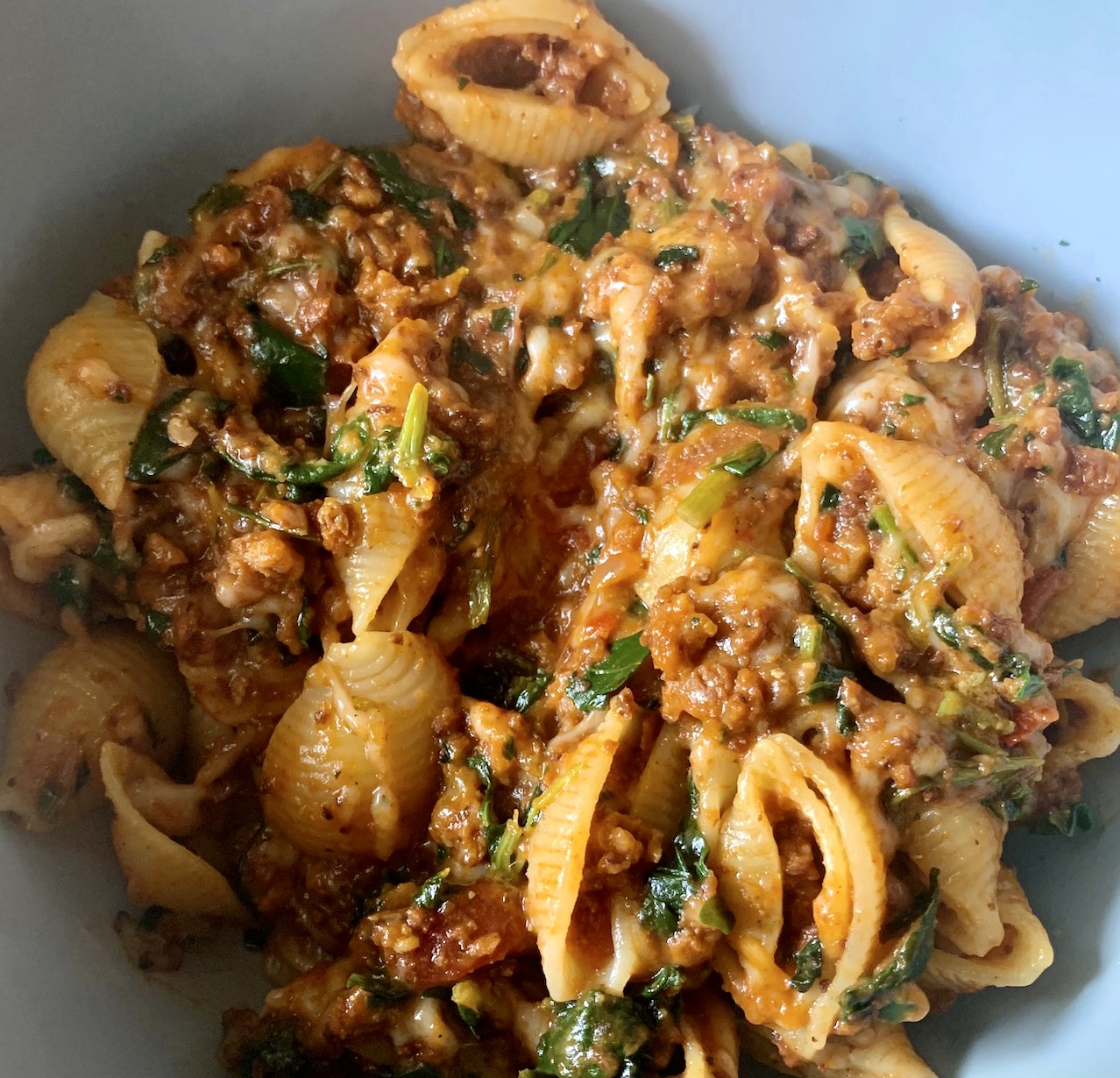
Similar in texture and use, textured pea protein (TPP) crumbles, made from pea protein, make for another great plant-based ground meat alternative. Those with sensitivities to soy and/ or gluten find pea protein to be a go-to vegan protein source. Taste preference and digestibility may also determine which plant-based grounds end up being your favorite.
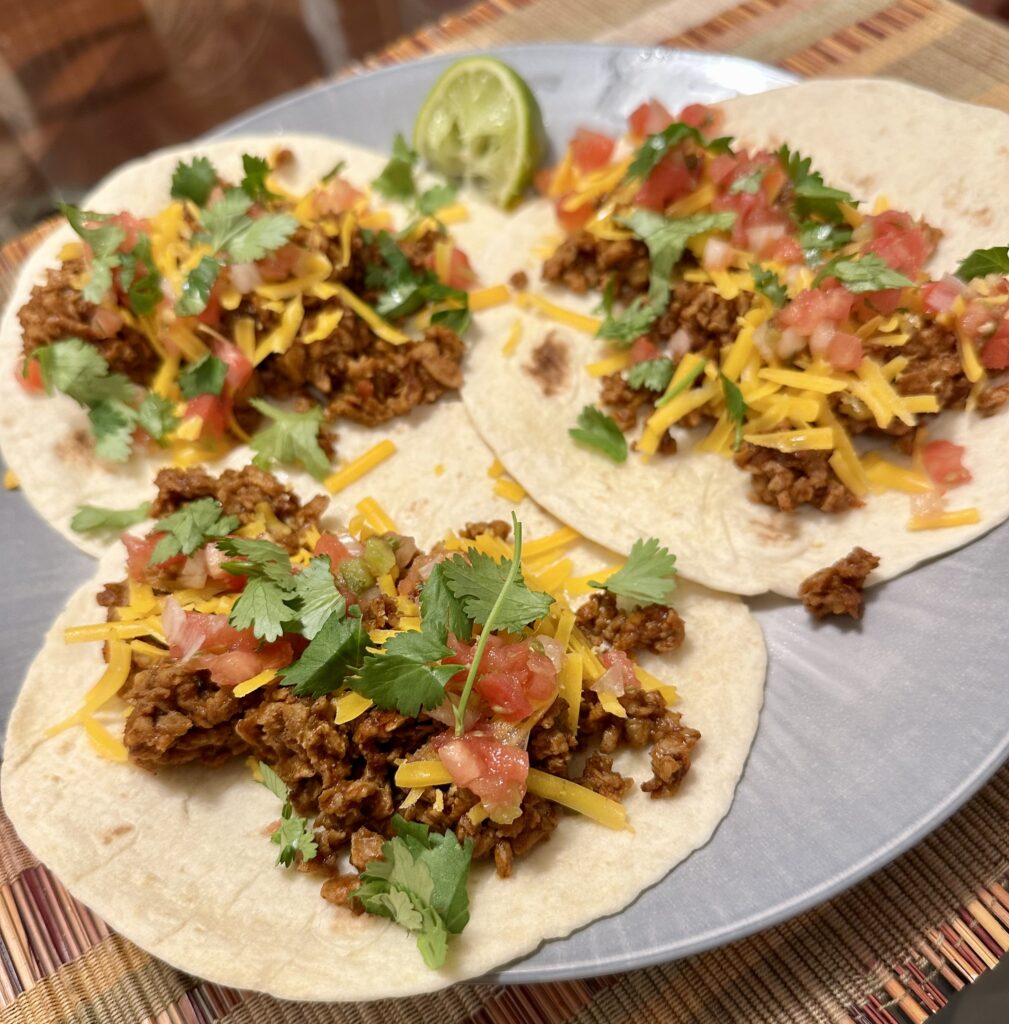
In terms of macronutrient breakdown, TVP is high in protein, moderate in carbs, and lower in fat. TPP is high in protein and even lower in carbs and fat. This makes TVP and TPP other ideal choices for those in cutting phases or competition prep. I literally lived on this stuff during my prep. With pea protein as the main ingredient, the macros are superior to any other vegan protein option I found by far! Now, I buy TPP in bulk because I use it every single day and it’s the most cost effective way to get one of the best, most macro friendly sources of vegan protein.
6. Meat Substitutes (variety of vegan protein sources)
We live in a time where the innovation of plant-based meat and dairy substitutes are constantly improving. As technology advances, many companies are raising the standard for such alternatives. The cool thing is, these products aren’t just for vegans and vegetarians- they can be enjoyed by people of all diets.
Brands like Daring create plant-based chicken pieces that are made from soy-protein. Others, like Abbot’s Butcher use pea protein as their main ingredient. Still others opt for a blend of vegan protein sources in their products. For example, Beyond Meat uses faba bean protein, pea protein, and wheat gluten in their chicken tenders. Alternatively, Gardein uses soy protein and wheat gluten in theirs.
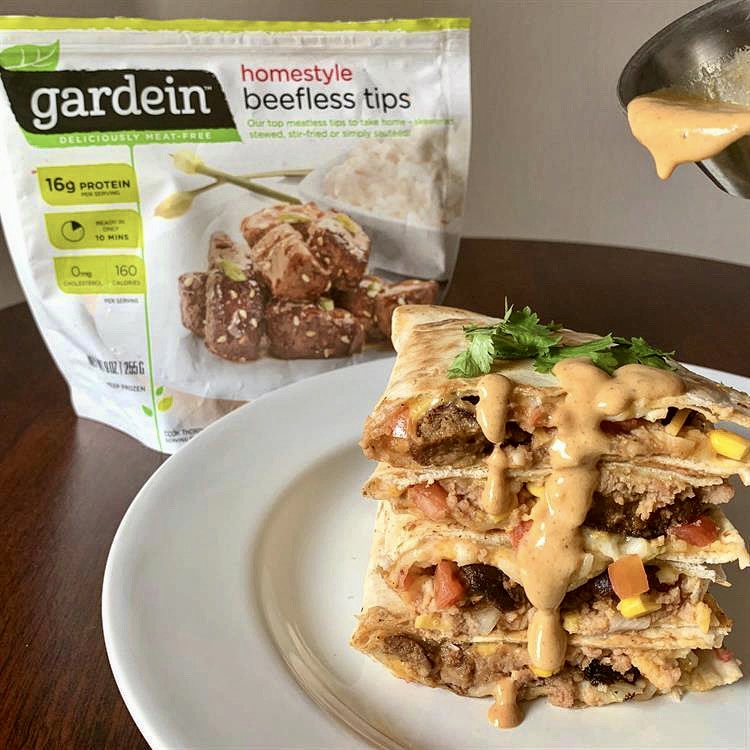
The macro breakdowns of these vegan meat alternatives greatly depends on the ingredient composition of the products. In general, while high in protein, these products do tend to be higher in fat and/ or carbs as well. Yes, they’re made with the same vegan protein sources mentioned above. However, brands tend to add oils and others sauces and seasonings that make the products delectable and ready-to-eat.
Some people demonize these products as overly-processed. Others deem them as a helpful “transition foods” for early-stage vegans.. but I call bs. They really can be enjoyed anytime, by anyone, vegan or not. Even if you’ve been vegan for a while, I promise, you don’t have to graduate from meat substitutes. Personally, I love to eat these foods in moderation!
7. Vegan Protein Powder
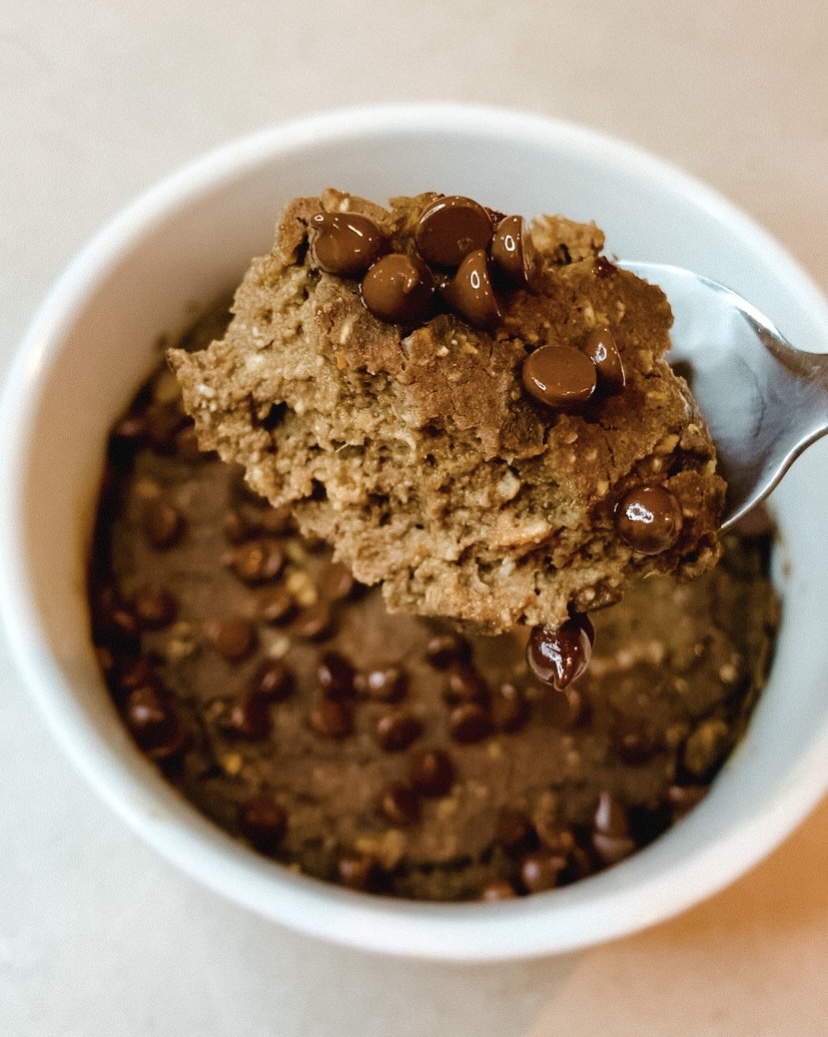
Protein powder is another one of those things that seem to get a bad rep. Sure, protein powder shouldn’t be your only or main source of protein. But that doesn’t mean there’s anything wrong with using it as intended- as a supplement. I just love the versatility of protein powders. You can mix protein powder in oatmeal, cream of buckwheat or cream of rice, blend with your favorite frozen fruit for a fresh smoothie, or get creative and bake high protein desserts (pumpkin chocolate chip blondies, anyone?)
In general, protein powders tend to be high in protein and very low in carbs and fats. However, the macro breakdown, and overall quality of the powder, widely varies by brand. Some protein powders are higher in carbs, which might make more sense in a bulking phase vs. a cut.
Vegan powders can be made from one or more sources of plant-based protein, like soy, pea, rice, pumpkin, or hemp. Choosing a vegan protein powder will depend on your taste and ingredient preferences, food sensitivities, and overall digestibility for you.
I highly recommend Vedge Nutrition, a fully vegan and organic brand which has has an amazing macro breakdown, clean ingredients, tastes amazing and blends perfectly. Use Vedge Nutrition discount code: MYPLANTBASEDFRIEND for 15% off your orders.
Vegan Trace Protein Sources
Beans, lentils, chickpeas, quinoa, nuts, protein pasta, peanut butter..
You may have heard that these foods are good sources of plant-based protein. They can certainly have their place in your diet if you’d like, and they can contribute to your overall protein intake. However, they are not necessarily major sources of plant-based protein. These foods have a more balanced macronutrient profile of protein, carbs, and fats. Some of these foods even have higher contents of carbs and/ or fat than protein.
Additionally, trying to get the bulk of your vegan protein from trace sources may negatively impact your digestion. This is because plant-based proteins also tend to be great sources of fiber. Fiber needs vary person-to-person, but in general, eating too much fiber can lead to digestive issues. The constipation, gassiness, and stomach pain aren’t worth it when you can get your protein in other ways. As vegans, we’re likely looking to keep our fiber at bay compared to the general population who strives to increase fiber intake. Makes sense, given our primary protein sources are plant-based and fibrous. Check out my article: Vegan Digestion: 10 Tips to Avoid Bloating + Optimize Energy to learn more.
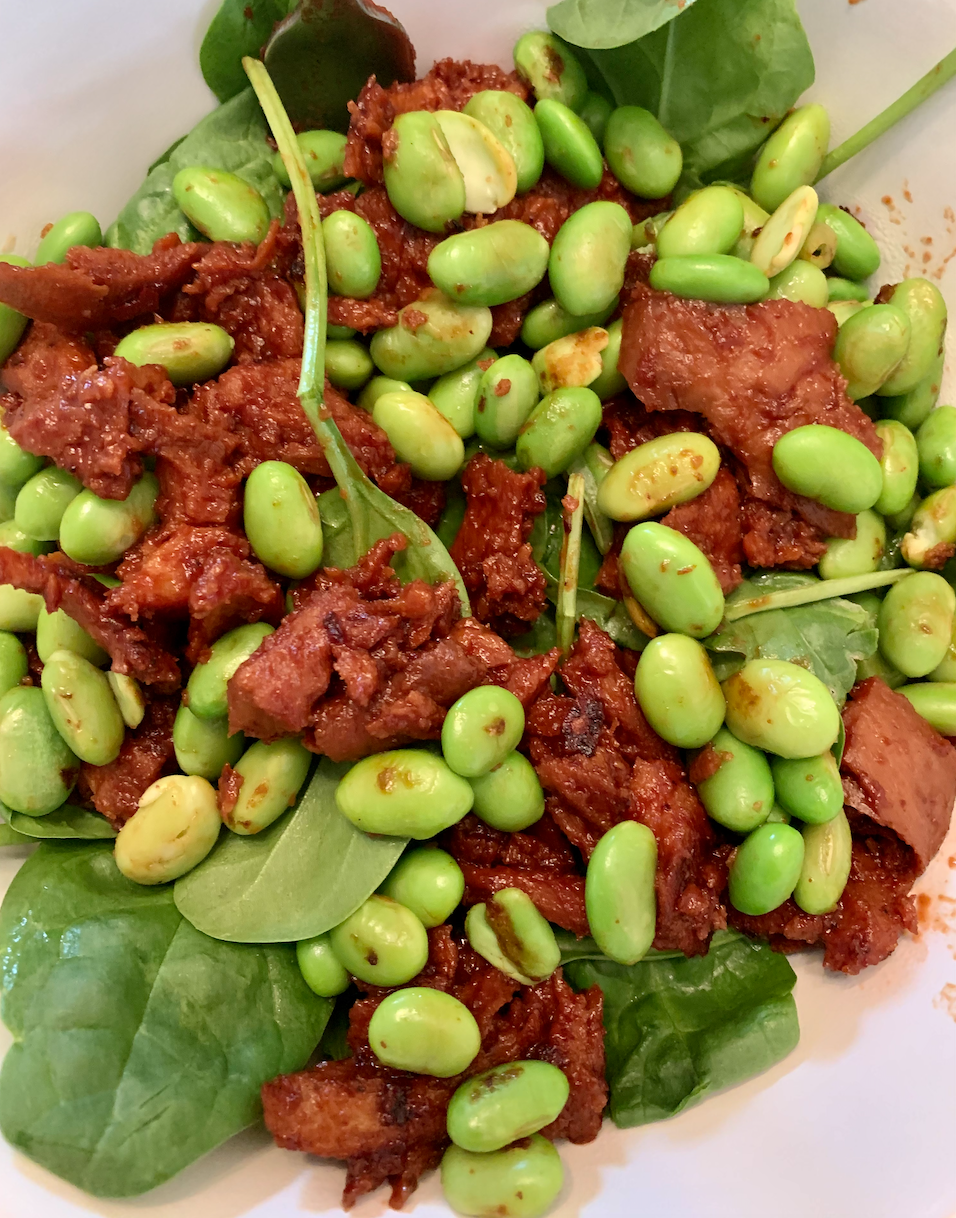
Some of my personal favorite vegan foods with trace amounts of protein include:
edamame, vegan greek yogurt, soy milk, nuts and seeds/ nut and seed butters, certain breads and pastas, NuGo bars, and nutritional yeast. Check out my article: Healthy Vegan High Protein & Macro Friendly Snacks You’ll Love for all of my top recommendations!
Can Trace Proteins Actually be Primary Sources of Protein?
Again, just because vegan foods with trace amounts of protein aren’t typically considered primary protein sources, doesn’t mean they can’t have a place in your diet. These foods can still be beneficial in terms of micronutrients, vitamins, minerals, and let’s be real- taste! It’s also worth mentioning, as with anything, everyone is different. Maybe you’re not an athlete concerned with eating high-protein diet to build muscle. Or, perhaps you eat exclusively Whole Food Plant-Based (WFPB), have a gut of steel, and a very high-fiber diet does not negatively impact you. Alternatively, maybe you’re allergic to wheat and soy and can’t digest pea protein. In those cases, of course, keep doing what works for you.
But, can we all just collectively agree that mushrooms and cauliflower are not sources of plant-based protein? PSA to all the restaurants and catering companies who make portobello burgers or cauliflower steaks their plant-based “protein” options!!
Vegan Protein and Amino Acids
There’s a misconception that only non-vegan foods have all the essential amino acids, while vegan foods do not. Or, that the only way to get all of the essential amino acids as a vegan is by meticulous food-combining. I can’t do the depth of this topic justice in one blog post. But, I do believe it’s important to understand at least the basics of amino acids, especially if you eat a plant-based diet.
Amino acids are the smallest structural units that make up proteins and support all metabolic functions. To operate healthily, our bodies require 20 amino acids. Of these, 9 are considered essential amino acids, which we must consume through our diet. Amino acid deficiency can cause issues with immunity, digestion, hormones, and mental health, to name a few. Generally, as long as vegans eat sufficiently, we typically meet and exceed our daily requirements for essential amino acids.
This study notes, “the claim that certain plant foods are ‘missing’ specific amino acids is demonstrably false. All plant foods contain all 20 amino acids, including the 9 indispensable amino acids. Importantly, rather than ‘missing’ indispensable amino acids, a more accurate statement would be that the amino acid distribution profile is less optimal in plant foods than in animal foods.”
But.. is that something we really need to worry about? If you only eat vegan donuts all day every day, yeah, you’re going to be lacking in protein and essential amino acids. Consuming a decent variety of foods in your diet, and enough calories in general, is key. Plus, if you really are worried about it, supplementation may be an option.
Bioavailability of Plant-Based Protein
You’ve probably heard that the bioavailability of plant protein is inferior to that of animal-based protein. This means that we may digest and absorb less protein in a plant-based meal than an animal-based meal with equivalent protein contents.
Personally, my desire to do the least amount of harm far outweighs anything else. I would rather absorb a few less grams of protein (but again, still more than a sufficient amount for optimal function and muscle growth) than attempt to justify animal exploitation and suffering. I get it, I have physique goals too. But to claim that those goals matter more than the lives of innocent beings feels unreasonable to me.
I mean, if studies came out proving that dog or cat meat are the most bioavailable forms of protein, would that shift the collective moral code?
Furthermore, research has shown that eating a high protein plant-based diet rather than a high protein animal-based diet does not inhibit endurance or strength. So, if you have fitness goals or want to build muscle on a vegan diet, know you’re not at a disadvantage.
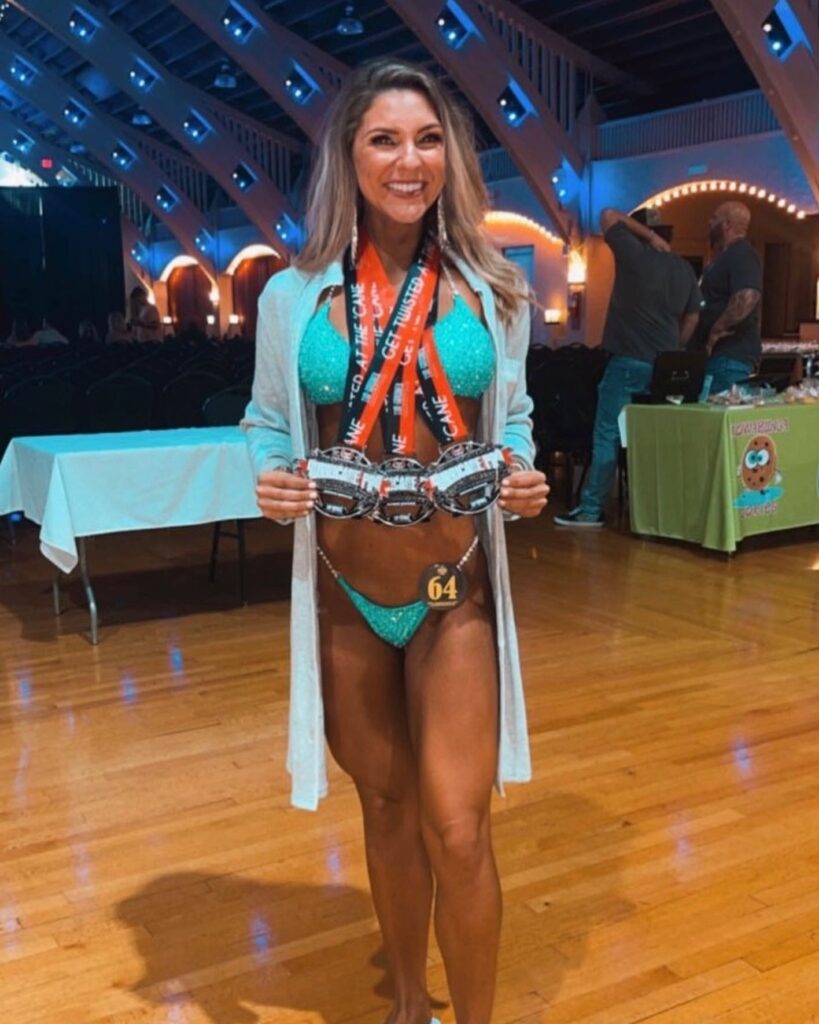
I honestly think it’s amazing that we’ve evolved to a place where both realities can co-exist: We can function optimally and thrive on a plant-based diet, and make compassionate choices for the animals and our planet.
Follow me on Instagram, @myplantbasedfriend for more food, fitness, and lifestyle content showing you how easy and joyful it is to thrive as a vegan.


Great article Melissa!
Thank you so much for taking the time to read! 🙂