
This post may contain affiliate links. That means if you click and buy, I may receive a small commission (at zero cost to you). Please see my full disclosure policy for details.
It’s no secret that going vegan is becoming an increasingly prevalent choice in our society. As awareness of veganism and its benefits grows, adopting a plant-based lifestyle seems to make sense for more people. Empathy and concern for animals and our planet is deepening, while the innovation of vegan products continues to improve. Now’s as great a time as ever to make the change and join the plant-powered movement.
If you’re wondering not only how to go vegan, but how to live a long-term, purposeful plant-based lifestyle, you’re in the right place. These 10 tips will ensure your longevity in this lifestyle, so that you’re not hopping on the vegan bandwagon only to soon fall right back off.
As with any desire to make a significant lifestyle change, it’s important to not overwhelm yourself. Your success with new habits sticking depends on making shifts at a pace that is sustainable for you. Give yourself grace through the process, let go of the all-or-nothing mentality, and build a support system. Here’s how we can best support animal welfare and the health of ourselves, our species, and our world throughout our lifetime:
1. Educate Yourself About Going Vegan and Staying Healthy
Going vegan for the animals is one of the most common and admirable reasons. Even so, it’s equally as important to not neglect your own health in the process. Many embrace the “junk food vegan” lifestyle, noting that they made the change for the animals and not their health. Don’t get me wrong, it’s great to enjoy plant-based versions of your favorite comfort foods from time to time. But, it’s also worth learning how to consume a balanced plant-based diet that supports your longevity. Consuming foods that provide you with all of the essential vitamins and minerals will allow you to be vegan long-term.
There’s so much to be said about the logistics of making the shift. Between grocery shopping, getting your protein and essential amino acids, choosing meat and dairy alternatives, and everything in between.. it can feel overwhelming at first. The good news is, a wealth of information exists to support your transition to a plant-based diet. And, it truly isn’t as complicated as it might seem. Watch documentaries, read research studies, and learn from organizations and businesses who are advocates of this lifestyle. There are also many longtime vegans (like me!) eager to share our own experiences to make your journey less daunting. We’ve all been there, and we’re happy to show you how fully possible it is to thrive as a vegan.
Take care to learn how to make a vegan diet sustainable for you.
It’s one thing to have the morals and ethics of living a vegan lifestyle, which is a beautiful thing. But, you have to take care of your health in the process. You may have heard stories of “ex-vegans” who didn’t eat enough or meet their nutritional needs, and experienced deteriorating health. These personal accounts can scare off those interested in making the transition. However, with the intention of making this your lifestyle rather than just a fad, many potentially negative experiences can be avoided. Do your due diligence to make this change a healthy and sustainable one for you. Also, let the process be fun! I eat a much larger variety of food than I ever did before I went vegan, and never get bored of trying new things.
2. Connect to Your Why
At the heart of it, for many, the primary reason for going vegan is for the animals. Not wanting to contribute to animal suffering can be a strong why, as there is a deep emotional element. For many others, making the transition to a vegan lifestyle might stem from the desire to improve their own health. Additionally, many people feel good about doing less harm to our planet. Still others feel a deep spiritual or religious calling to not consume animal products. Whether one of these reasons, a combination of them, or something else entirely resonates with you, stay connected to your reason. You may encounter hard days, especially toward the beginning of the transition. But along the way, your why will become so important to you that you no longer consider the alternative.
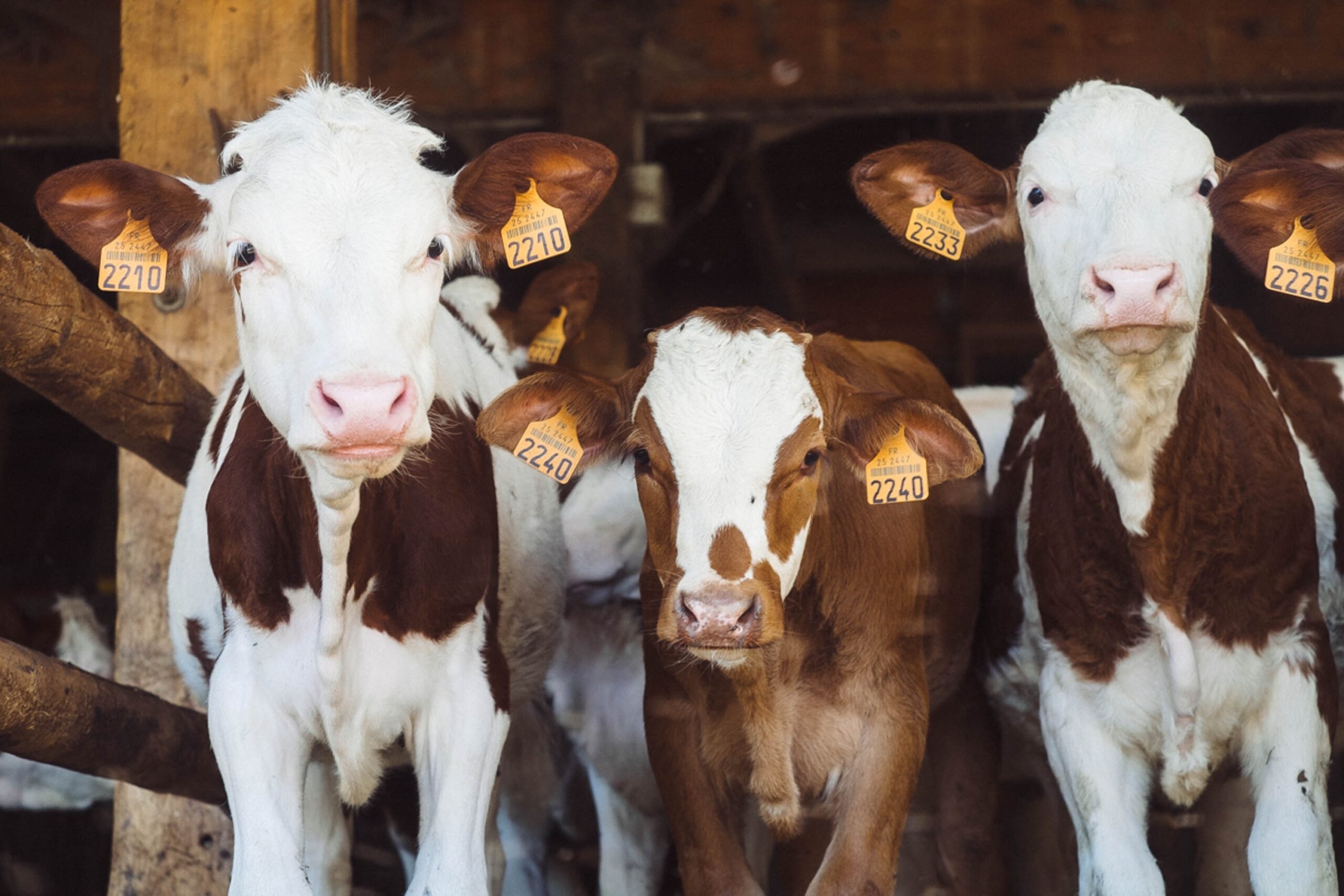
I personally went vegan because learning about the animal agriculture industry absolutely broke my heart. I could no longer turn a blind eye to the fact that animal-based foods weren’t just products; they were beings. The spark to live more compassionately has stayed alive within me for the last 7+ years since making the change. Now, I can’t imagine eating or living any differently. Plus, just about all of the other reasons for going vegan resonate with me now too. Going vegan is a rewarding decision all around.
3. Find Your People
The population of vegans in the world is continuously growing. As of now in 2023, the total number of vegans worldwide is approximately 88 million, or 1.1% of the world’s population. It’s understandable how isolating your lifestyle can feel if you’re one of the only vegans in your circle. Not to mention the difficulties that may arise with food-centric events, holidays, or outings. But, remember these statistics when you’re feeling like an outcast. You truly are not alone!
I’m fortunate to live in the Tampa, Florida area, where there’s a large and active vegan community. There are many vegan restaurants, we have Tampa Bay Veg Fest, a vegan foodie’s paradise that occurs annually, and a Facebook group with thousands of local vegans. From events, meet-ups, and potlucks, to sharing local vegan food finds, it’s amazing to know that there are so many people near me who get it. If your community doesn’t have an active vegan population, try joining virtual communities and groups that aren’t restricted geographically. I actually connected with my first ever vegan friend through Instagram. We live in different U.S. states and still have never met in person, but have stayed in touch over the years thanks to our shared interests.

Additionally, let go of any objectives to convert anyone in your life to veganism, as tempting as that may be. Ultimately, each person has to make their own individual decisions for their lives. Focus on living a genuine life that’s true to your values.
You never know who is watching and feeling inspired by you.
Depending on the people in your life, how they treat you, and traditions in your family and community, you may end up planting the seed for others to go vegan, too. One of my best friends became vegetarian years before I ever thought about going vegan. The way she stuck to her decision so confidently, offered for me to try her foods, and answered questions with so much kindness and zero judgment undoubtedly planted that seed for me.
When I did go vegan, I was the only vegan in my life. Now, my sister is vegan, that best friend who was vegetarian is now vegan along with her husband, and I have made many new like-minded friends, both locally and virtually. Other people in my life have also become vegetarian, eat more-plant based, have made vegan meals for me when I’ve visited, and are more open-minded to trying vegan dishes themselves. It’s amazing to realize how many plant-forward people I have in my life now, compared to when I first went vegan and felt like an absolute outcast.
4. Get to Know More Animals
Make a sincere effort to learn about various animals, not just those that are typically domesticated as pets. Spend time with farmed animals if you have the opportunity. Watch videos and read stories to become familiar with the quirks and personalities of different animals. You’ve probably encountered plenty of cute videos of cats and dogs playing, which are undoubtedly heartwarming. Let yourself feel that same love for all animals. Feeling joy is practically inevitable when you make eye contact with a cow, or while watching chickens run and play. How cute is it when a pig rolls over demanding belly rubs, because they feel so safe and content in your presence?
My sister works at an animal sanctuary feeding pigs, and I love seeing her videos and hearing her stories about each individual pig. It’s so sweet how their unique personalities shine when they see her and realize they’re about to get fed.
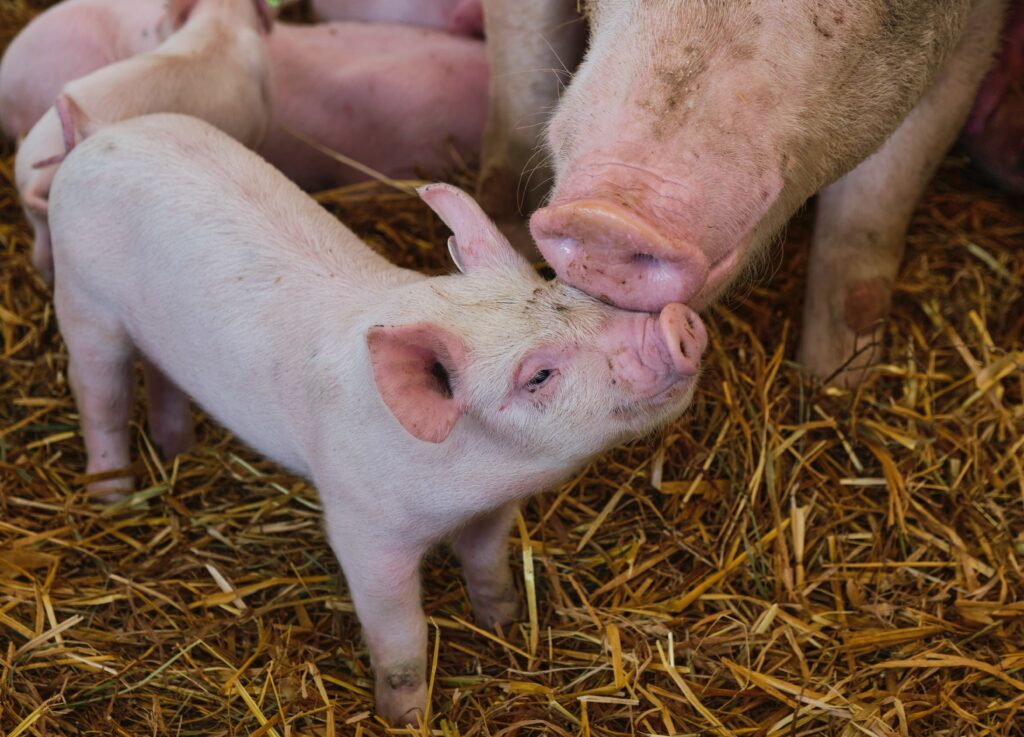
When you’re open to experiencing the spirit of each unique being, you realize we are all of the same essence. We all experience thoughts, emotions, sensations, have a distinct personality and sense of humor, a capacity for love, and desire to avoid suffering and enjoy life. We know this to be true of all living beings on a logical level, and yet the majority of the world still eats animals and their byproducts. To truly understand the sentience of all beings on a deeper emotional level, I believe you need to witness and feel it for yourself. Such personal experiences can only amplify your compassion and naturally lead to living a vegan lifestyle.
5. Be Intentional and Prepared
It may be obvious that there is a learning curve when you first decide to go vegan. However, many people don’t talk about the fact that even long-term vegans face obstacles from time to time. Some of the most challenging situations can include traveling, eating out at non-vegan restaurants, or social events and holidays where food is prominent.
When I was newly vegan, there were too many times that I found myself in situations where I couldn’t eat a filling or balanced meal. Like when traveling and the only vegan food options around were sides of fries or white rice. Or when going out for someone’s birthday and all I could eat was the bread basket, no butter. And worse, when studying abroad and the only food to hold me over on a busy day was a granola bar and an apple that I brought in my backpack. I’ve also had both great and awful experiences with finding enough vegan food on cruises.
Now, I’ve learned my lesson the hard way and am very thorough with researching vegan food options ahead of time. I need to know that I’m going somewhere with enough vegan food to make actual meals. If not, I have no problem bringing my own. Heck, there are times when I need to bring all of my food for entire trips. You’ve got to do what you’ve got to do!
There’s no shame in being prepared and intentional about nourishing yourself.

Eating out at non-vegan restaurants is sometimes unavoidable, but can be another tough situation depending on the place. Sometimes, staff doesn’t know what “vegan” means, which can be frustrating, and even dangerous to those with food intolerances and allergies. Now, if I know I’m going somewhere where I won’t be able to have a full, balanced meal with plant-based protein, carb, and fat sources, I either eat before or bring my own food. Also, PSA to restaurants: don’t advertise that you offer vegan options if you only have a sad side salad or steamed broccoli. We’ve evolved past those days, have we not?
Social gatherings that involve food, like weddings, birthday parties, holidays, and meals with friends or family can be challenging. There are likely going to be instances where the vegan options are scant, and the judgment is plentiful. Of course, be as prepared as you can physically, like by bringing your own food or eating before or after. But also be as prepared as you can mentally. It’s important to not let negative comments get to you, which of course gets easier with practice. Additionally, don’t be afraid to assert your boundaries around not having those conversations when needed. Your lifestyle and dietary decisions are your own, and you don’t have to justify that to others, especially when they are unkind about it.
6. Choose an Optimistic Mindset

Point blank, being vegan is a privilege; don’t be negative about it. Many people in the world are starving, while we intentionally turn down food that doesn’t align with our morals. Sure, those learning curves and challenging situations will inevitably occur. Finding ourselves at gatherings without adequate vegan options is frustrating. It’s disheartening when someone close to us makes a jab at our lifestyle choices. Comments like “you aren’t making a difference” can feel discouraging. But ultimately, you are choosing to do this. You are making a difference. And, hopefully your reason for doing this outshines those tough moments.
If the people in your life perceive you as always missing out and feeling restricted, what makes you think they would be open-minded about being plant-based? If you’re always complaining about being hungry in social situations, or look miserable eating your own packed food, you will create negative associations about what it means to be vegan. This is why being part of a community who gets it, or knowing someone who you can vent to in those difficult moments, is so important. Being a positive representation of the vegan movement is a choice we can all make every day, regardless of how long we’ve been vegan. You want to plant seeds of positive change for others, not poison any potential of them hopping on board.
7. Don’t Engage with Negativity

Unfortunately, there are plenty of trolls, especially online, who like to tear down the good intentions of the vegan movement. Don’t give them your attention or energy. Heck, I’d recommend not even giving them a response. At least, discern between whether someone is genuinely curious about your lifestyle, or whether you’re wasting your time trying to educate someone who just wants to mock you. How you handle negativity will also depend on your personality. I’ve seen some vegans clap back to insults in such a classy, mic-drop kind of way. However, there’s a fine line between standing up for yourself and asserting your boundaries, versus stooping to their level and bullying back. Personally, I prefer to delete, block, or ignore negativity and personal attacks altogether; it’s not worth getting worked up over.
When you know who you are at a soul level, that’s all that matters. You don’t need anyone else’s validation but your own.
Your kindness and compassion doesn’t waver because of someone else’s inability to see it. We don’t need to defend ourselves, especially not to those who don’t know us personally. It’s also not our job to convince anyone of our choices, especially when they’re not seeing, hearing, and understanding us.
8. Be a Lifelong Learner
Obviously, the vegan movement has come a long way since its origins. There are endless innovations, new plant-based companies and products, and a growing knowledge base with each passing year. You’ve probably heard the saying, “where focus goes, energy flows.” We would be mistaken in saying that the work is done once we go vegan, or that there’s nothing more to learn once we’ve been vegan for several years. There’s always a more efficient way to do things. Doing less harm is always possible. Stay connected to organizations assimilating noteworthy information and individuals spearheading the movement. There is endless inspiration, support, and enthusiasm surrounding veganism, you just have to seek and immerse yourself in it.
Amidst your research, you may end up really resonating with some people’s journeys. Find vegan role models you can look up to, whether in the realms of cooking, fitness, entrepreneurship, research, animal activism, or otherwise. Who knows, as time passes, you may end up becoming someone else’s vegan role model, just by being true to yourself and the contributions you want to make in the world.

9. Get Involved in the Vegan Movement
This one may not be applicable to everyone, and you certainly don’t need to force this suggestion if it doesn’t resonate with you at first. Changing your diet and lifestyle are already making a significant positive impact. However, the desire to make an even bigger impact on the plant-based movement can be a natural byproduct of many people’s decision to become vegan.
Find the parts of the vegan lifestyle that are most meaningful to you- the aspects you’re naturally drawn to and passionate about.
If you can’t donate your money to the many organizations and charities focused on animal liberation, consider contributing your time or skills to making the world a more compassionate place. One way to do this is by starting a vegan business. Maybe you’re drawn to product-based business, like creating food, baked goods, clothing, or art. Or, you could start a vegan service-based business, like health and fitness coaching, or offering done-for-you services, like virtual assistance for vegan businesses. The Minimalist Vegan has great suggestions for vegan business ideas. I have experience with copywriting for vegan companies, and creating a vegan baking business. I also started this blog and love creating vegan recipes and content. These are all fulfilling ways for me to feel connected to the vegan movement. Trial and error what piques your curiosity and is naturally fun and rewarding for you.
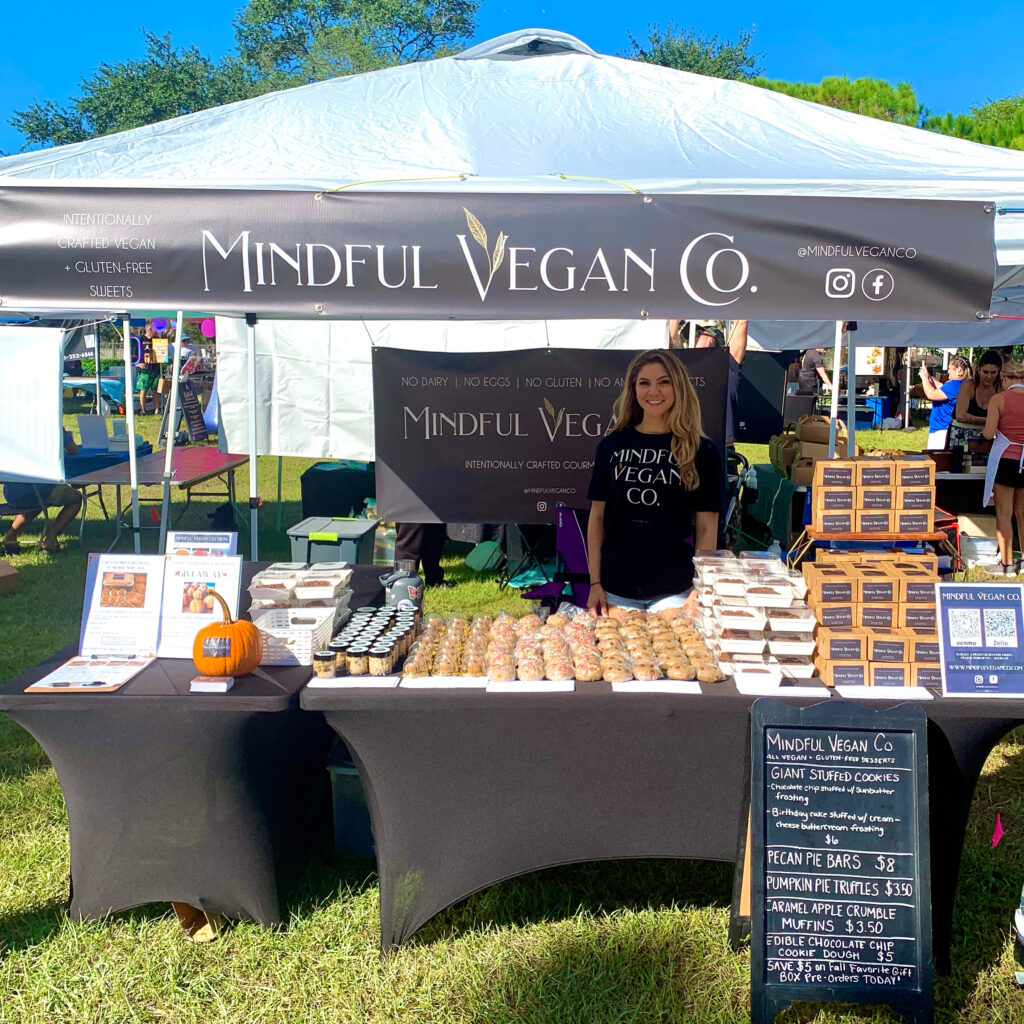

You don’t have to start a business if you don’t feel called to. Maybe you can bring your expertise to an existing vegan company or organization. Or, you might feel drawn to volunteering for vegan charities, animal sanctuaries, or participating in activism events.
Another way I like to positively represent the vegan movement is through competitive bodybuilding. The motivation to break the stereotype that vegans are weak, unhealthy, or can’t get enough protein truly drives me. There’s already a multitude of vegan pro bodybuilders; I’m manifesting joining that list one day! Maybe you’ll fall in love with fitness and enjoy being a positive representation of a healthy and strong vegan, too.
10. Never Judge Others Who Aren’t Vegan
The general population seems to hold a belief that vegans are judgmental. I think there are three main issues making this narrative prevalent.
Firstly, I don’t think vegans are inherently judgmental of non-vegans. I think vegans are so deeply passionate about not causing harm to animals, and about living as compassionate a lifestyle as possible. Sometimes, the deep heartache of others not getting it evokes emotions within us that we don’t always know how to healthily express. It can be hard to sit at a table while others eat animal flesh, when you’re distraught by the fact that they were one living beings. Work on feeling your anger and sadness without projecting it onto others. I know this can be easier said than done. This is why having a support system is so, so important.
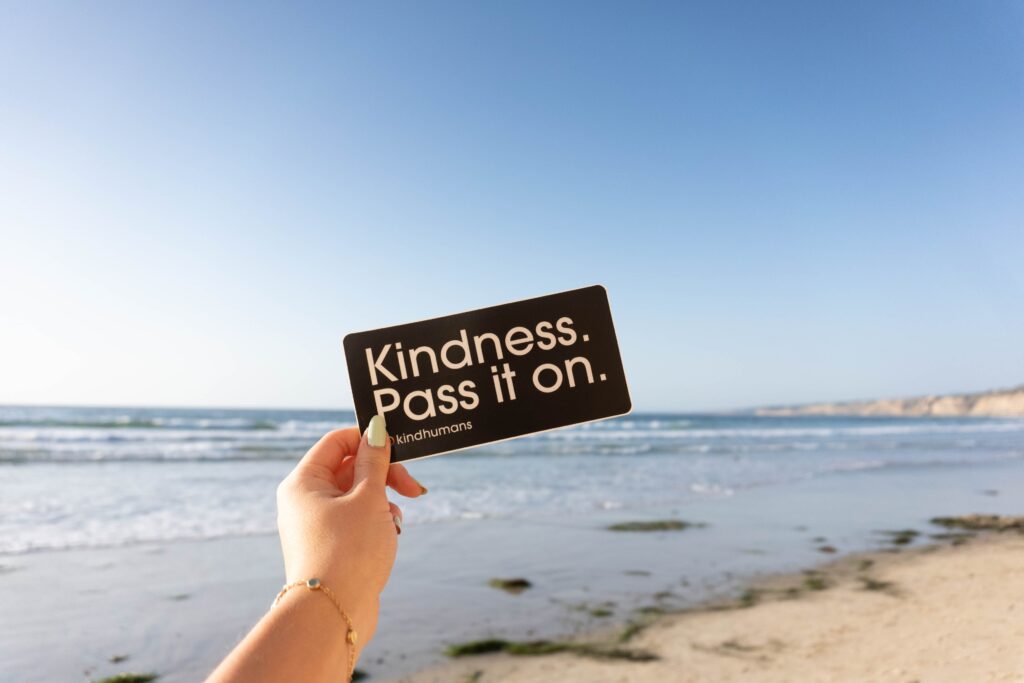
Secondly, like any group, there will always be the loud ones who worsen the reputation of the group as a whole. Sure, there are plenty of judgmental vegans out there, but that doesn’t mean we all are. For people who claim to be so passionate about being kind to all living beings, it can be ironic to witness the ways some vegans treat non-vegans. Shaming and blaming ultimately does nothing to help the vegan movement. If anything, it turns people away from it and gives them a reason to ridicule us.
I will say though, when some non-vegans learn that I’m vegan, they, unprovoked, try to justify their lifestyle choices to me. I don’t know what to say when you tell me you “literally could never” or you “love cheese too much.” Like.. is this a trick? Are you trying to get me to judge you? Haha. But I digress- I definitely do not go out of my way to judge or shame others. If you are vegan now, remember that there was a time when you weren’t. How would you have wanted to be treated by vegans?
There are enough unkind people in the world, don’t be one of them.
Thirdly, to be quite frank, I think vegans actually face more judgment from non-vegans. Now, this isn’t a competition of who’s the least judgmental. I witness non-vegans being argumentative and confrontational toward vegans for no reason. Just the other day, I saw someone ask for advice in a local Facebook group about where to find vegan food nearby. The comments were flooded with insults and “jokes”, like telling her to go out to a field where there’s plenty of grass. In general, it can feel like non-vegans show us a lack of support or don’t take us seriously. At best, they misunderstand or brush us off. At worst, they are relentless in their spiteful comments about our lifestyle. Of course, this is not all non-vegans; many are actually supportive of and curious about our lifestyle, or at the very least, are respectful about it.
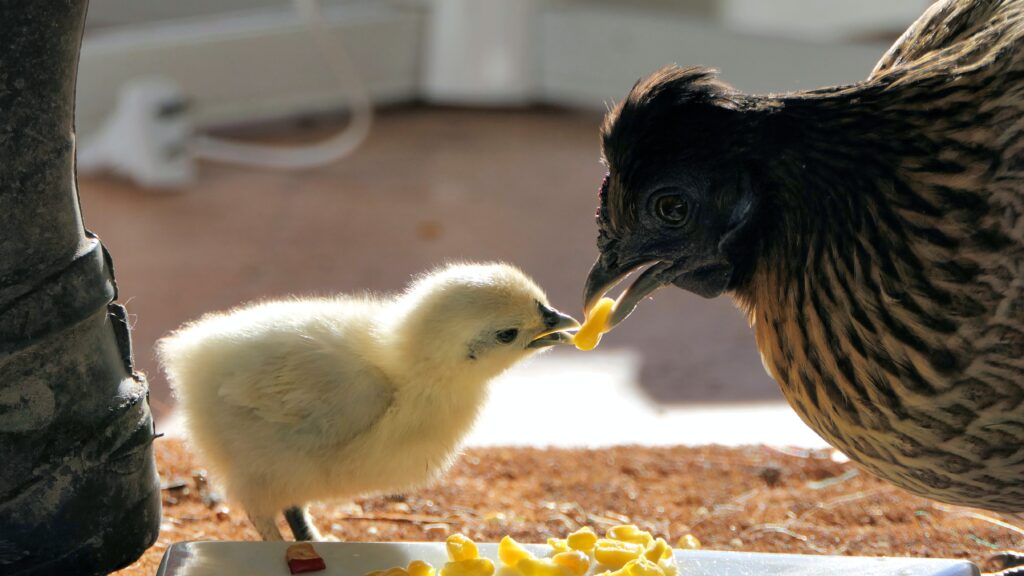
If you’re vegan or thinking about going vegan…
Remember your reason for making this change. Stay optimistic, connect with like-minded people, and lean on your support system. There are endless innovations happening in the movement; perhaps you will be someone who ends up contributing in your own way. This lifestyle is not a restriction, it’s actually abundant and fulfilling. Most importantly, notice and appreciate all of the positive and significant ripple effects of your decision, rooted in so much love and compassion.


Leave a Reply